
Canyon Country Starter Homes: Condo or Single-Family?
Real Estate July 16, 2026
Real Estate July 16, 2026
For many first-time buyers, the biggest question isn't whether they're ready to purchase a home—it's what type of home makes the most sense.
Should you purchase a condominium or townhome and begin building equity sooner? Or should you continue searching for a detached single-family residence with more space, privacy, and room to grow?
The answer is rarely one-size-fits-all.
At 35 Oaks Property Group, we encourage our clients to evaluate much more than purchase price. The true cost of ownership includes monthly expenses, maintenance, insurance, financing considerations, future resale, and how a property supports your lifestyle both today and years into the future.
In Santa Clarita, both condominiums and single-family homes offer excellent opportunities for homeownership. The key is understanding the advantages—and responsibilities—that come with each.
According to CRMLS closed sales for June 2026, condominiums and townhomes continued to provide one of the most attainable entry points into Santa Clarita homeownership, with a lower average sales price than detached single-family residences. Average days on market remained relatively similar between the two property types, while condominium communities typically included monthly HOA dues that varied based on amenities, insurance coverage, maintenance obligations, and reserve funding.
According to CRMLS closed sales throughout the Santa Clarita Valley for June 2026, detached single-family homes recorded a median sale price of $836,000 with a median marketing time of approximately 36 days (45-day average). Condominiums posted a median sale price of $443,000, while townhomes had a median sale price of $530,000. The data illustrates the substantial difference in entry price between attached and detached housing, highlighting why many first-time buyers begin building equity with a condominium or townhome before eventually transitioning to a single-family home.
Although detached homes generally command higher purchase prices, many buyers discover that a well-managed condominium community can provide exceptional value, especially as a first home.
Purchasing a condominium is often viewed as a stepping stone—and for good reason.
Rather than waiting years to purchase a detached home, many buyers choose to begin building equity immediately while enjoying a more manageable level of homeownership.
Condominiums generally require a lower initial investment than similarly located single-family homes.
This may translate into:
Instead of paying rent while waiting for detached home prices to become more attainable, many buyers begin building long-term equity much sooner.
One of the greatest benefits of condominium ownership is simplicity.
In many communities, the homeowners association is responsible for maintaining common areas and many exterior components, including landscaping, roofs, exterior paint, private streets, greenbelts, pools, recreation facilities, and other shared amenities.
That means homeowners often spend less time maintaining their property and more time enjoying it.
For busy professionals, young families, retirees, or buyers who travel frequently, this "lock-and-leave" lifestyle can be a significant advantage.
Owning a home comes with responsibilities that many first-time buyers have never experienced.
Learning how to budget for maintenance, insurance, taxes, utilities, and unexpected repairs is often easier with a smaller property.
Many homeowners later leverage the equity they've built in their first condominium toward the purchase of a detached home as their needs evolve.
Your first home doesn't have to be your forever home.
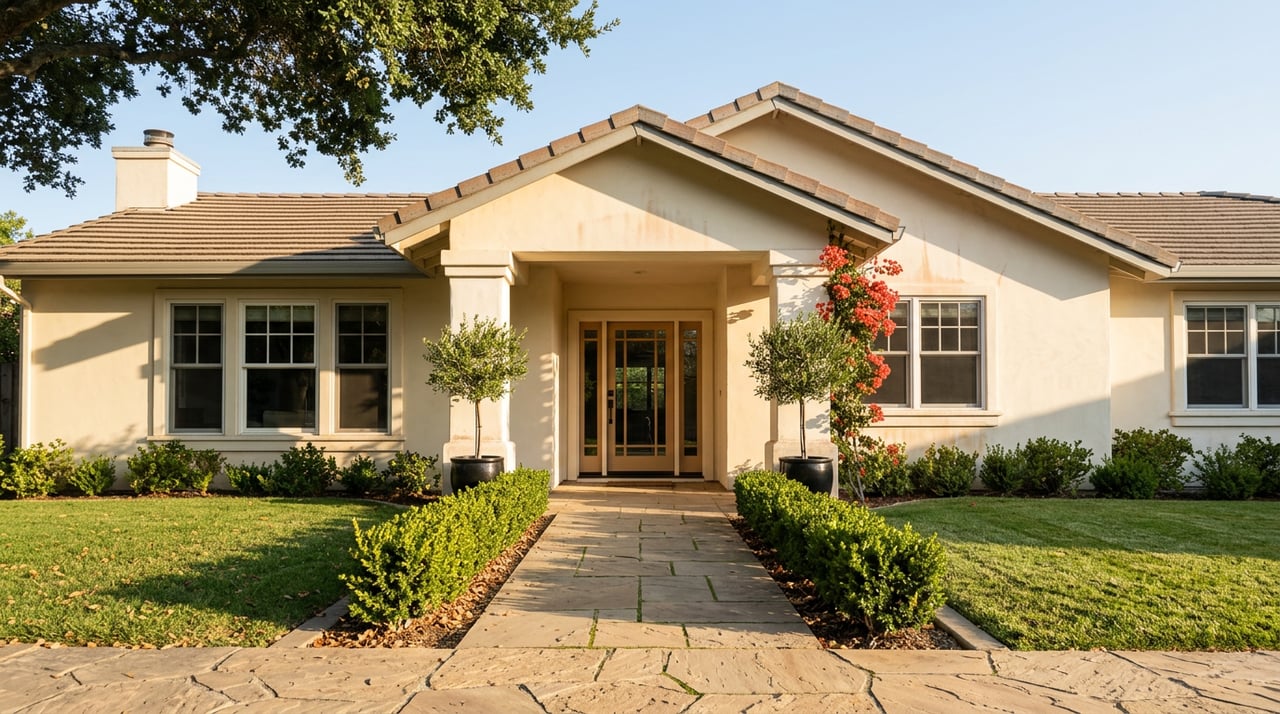
Detached homes remain the goal for many buyers—and understandably so.
Single-family homes typically offer:
There are generally fewer shared walls, fewer architectural restrictions, and more opportunities to customize the property over time.
For growing families, these advantages can easily outweigh the additional maintenance responsibilities.
One of the biggest misconceptions in real estate is that the monthly mortgage payment represents the true cost of homeownership.
In reality, buyers should evaluate the complete financial picture before making a decision.
Monthly HOA dues should never be viewed as simply another bill.
Those dues often fund services that detached homeowners pay for individually, including exterior maintenance, roof replacement, landscaping, irrigation, exterior insurance, pools, parks, clubhouses, fitness centers, security gates, private streets, and reserve funding for future capital improvements.
A higher HOA fee is not necessarily a negative if the association is financially healthy and maintaining the community appropriately.
Detached homeowners should budget for expenses that condominium owners may never encounter directly, including:
These expenses rarely occur all at once, but they are an inevitable part of long-term homeownership.
Insurance has become one of the most important factors affecting Southern California homeownership.
Wildfire exposure, roof age, vegetation, construction type, defensible space, and proximity to Very High Fire Hazard Severity Zones can all influence insurance availability and premium costs.
Many condominium owners purchase an HO-6 policy, which generally covers the interior of the unit, personal property, personal liability, and improvements made within the home. The homeowners association typically carries a master insurance policy for common areas and certain portions of the building, although the scope of that coverage varies by community and should always be reviewed during escrow.
Owners of detached homes generally carry broader homeowners insurance because they are responsible for the entire structure, roof, exterior components, and the land itself.
Obtaining insurance quotes early in escrow is increasingly important, particularly for properties located in or near wildfire-prone areas.
Not every condominium qualifies for every type of financing.
This is one area where buyers are often surprised.
In addition to reviewing the buyer's financial qualifications, many lenders evaluate the condominium community itself before approving a loan.
Some of the items a lender may review include:
If an HOA does not meet a lender's underwriting requirements, financing options may become limited regardless of the buyer's creditworthiness.
For this reason, beginning the HOA review process early can help avoid unnecessary delays later in escrow.
One of the most overlooked documents in a condominium transaction is the homeowners association budget.
A healthy reserve account demonstrates that the association has been planning for predictable long-term expenses such as roofs, exterior painting, asphalt, pool equipment, and other major capital improvements.
If reserves are significantly underfunded, homeowners may eventually face special assessments to help pay for those projects.
Reserve funding does not necessarily predict future assessments, but it provides buyers with valuable insight into the long-term financial health of the community.
Buyers are often surprised to learn that lawsuits involving the homeowners association can influence financing.
For example, if an HOA is involved in significant construction defect litigation—including claims involving balconies, waterproofing, structural components, decks, roofs, or other major building systems—some lenders may temporarily suspend financing until the litigation is resolved.
This does not automatically mean there is something wrong with the property.
However, it may reduce the number of available lending options or require buyers to use alternative loan programs.
Understanding these issues early in escrow can prevent unexpected surprises as the transaction progresses.
Many condominium communities limit the number or percentage of homes that may be rented at any given time.
These restrictions can affect:
Some lenders also review owner-occupancy ratios because communities with very high investor ownership may not qualify for certain conventional financing programs.
Even if a buyer has no intention of renting today, understanding these restrictions is an important part of evaluating long-term flexibility.
A condominium community offers something that detached neighborhoods often cannot: shared amenities.
Many Santa Clarita communities include beautifully maintained landscaping, swimming pools, spas, parks, playgrounds, walking paths, greenbelts, clubhouses, fitness facilities, and gated entrances.
For many buyers, these amenities provide a lifestyle that would be difficult—or far more expensive—to recreate with a detached home.
The decision between a condominium and a detached home should never be based solely on purchase price.
It should reflect your financial goals, lifestyle, future plans, maintenance preferences, insurance considerations, financing options, and comfort with ongoing ownership responsibilities.
For one buyer, a condominium may provide the ideal opportunity to begin building equity with lower maintenance and outstanding community amenities.
For another, the privacy, yard, flexibility, and independence of a detached home may justify the additional investment.
Neither decision is inherently better.
The right decision is the one that aligns with your goals.
At 35 Oaks Property Group, we believe informed buyers make confident decisions. Purchasing a home is about far more than choosing between four walls and a roof—it's about understanding the long-term responsibilities, financial commitments, and opportunities that come with ownership.
Whether you're considering your first condominium, a townhome, or a detached single-family residence, our role is to help you evaluate every aspect of the purchase—from financing and insurance to HOA documents, reserve funding, resale potential, and the due diligence that protects your investment.
Every property is unique, and every buyer's goals are different. By asking thoughtful questions, reviewing the right documents, and planning beyond the purchase price, you can make a decision that supports both your lifestyle today and your financial future for years to come.


Who you choose to represent your interests in real estate matters. The brokerage with whom you partner with guides you through the sale or acquisition of a subject property, while advocating on your behalf, and serving as a fiduciary and trusted asset advisor. With distinct standards and dynamic experience, the 35 Oaks team provides exclusive listing services for home and land sellers, and buyer representation for those seeking to purchase real property or vacant land.