3D-Printed Homes in California: What the Future Holds
New Construction July 30, 2026
New Construction July 30, 2026
California has never been afraid of innovation. From aerospace and entertainment to clean energy and artificial intelligence, many of the ideas that eventually become commonplace begin here. Housing may be the next industry experiencing that kind of transformation.
Over the past several years, 3D-printed construction has moved well beyond experimental demonstrations. What was once considered a futuristic concept is now being used to construct homes, accessory dwelling units (ADUs), multifamily developments, military housing, commercial buildings, and disaster recovery projects throughout the United States and around the world.
That progress is beginning to reach California in meaningful ways.
In Northern California, the state's first commercially permitted 3D-printed building recently demonstrated that local jurisdictions are becoming increasingly comfortable permitting this new method of construction. Meanwhile, in Southern California, one of the most closely watched projects is taking place in Altadena, where a single-family residence is being built following the devastating Eaton Fire. Rather than simply replacing what was lost, the project represents an opportunity to evaluate whether emerging construction technologies can help communities rebuild more efficiently after catastrophic events.
For homeowners, buyers, investors, and real estate professionals, these projects raise an important question:
Could 3D printing become part of California's housing future?
The answer is likely yes—but probably not in the way many people imagine.
When people hear the phrase 3D-printed home, many picture a giant desktop printer melting plastic into the shape of a house.
That isn't what's happening.
Most residential 3D-printed homes today are constructed using specialized cementitious or concrete-based materials that are extruded through a robotic printing system. Guided by computer software, the printer deposits layers of structural material one at a time, gradually creating the walls of the home according to engineered plans.
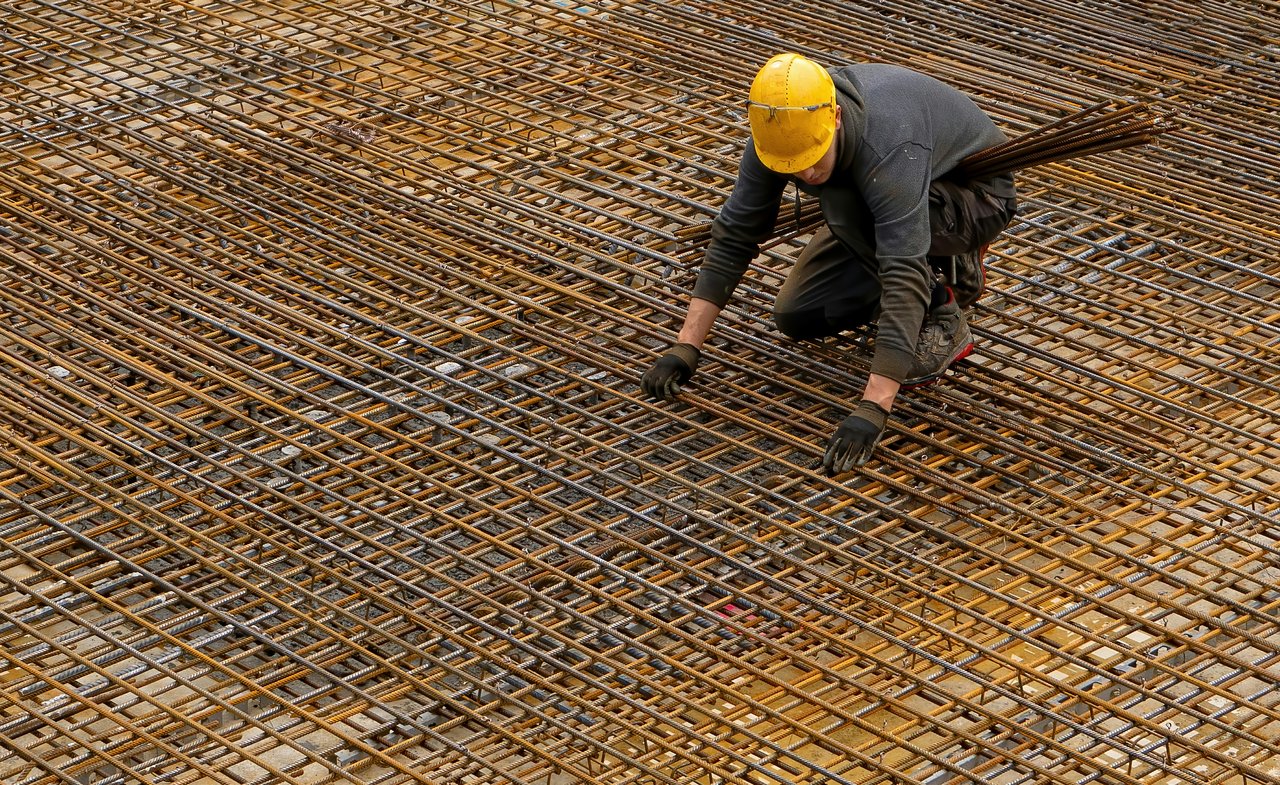
Once the wall system is complete, construction largely returns to familiar building methods. Contractors install reinforcing steel where required, roofing systems, windows, doors, electrical wiring, plumbing, HVAC equipment, insulation, flooring, cabinetry, and interior finishes much like they would in a conventionally built residence.
In other words, the "printing" process primarily replaces one portion of traditional construction—the framing or wall assembly—not the entire building.
The result is a home that often looks surprisingly conventional once completed. Many buyers would never realize a home had been 3D printed unless they were specifically told.
California continues to face one of the nation's most significant housing shortages.
Population growth, limited developable land, labor shortages, lengthy entitlement timelines, rising material costs, insurance challenges, and increasingly complex building requirements have all contributed to a housing market where demand continues to exceed supply in many communities.
Southern California illustrates this challenge particularly well.
Whether someone is searching in Santa Clarita, Ventura County, Los Angeles, Orange County, or San Diego, affordability remains one of the biggest obstacles facing first-time buyers and move-up homeowners alike.
While no single technology will solve California's housing crisis, 3D printing has attracted attention because it addresses several persistent challenges simultaneously:
Importantly, this should not be viewed as replacing skilled trades.
Electricians, plumbers, roofers, HVAC contractors, finish carpenters, concrete specialists, engineers, architects, inspectors, surveyors, and countless other professionals remain essential throughout the construction process. Instead, 3D printing changes one segment of the workflow while much of the rest of the building process remains familiar.
For California, where labor shortages continue to impact residential construction, improving efficiency without eliminating skilled craftsmanship is one reason the technology has generated so much interest.
Few places illustrate the potential value of faster construction better than communities recovering from major natural disasters.
Following the Eaton Fire, Altadena faces the enormous challenge of rebuilding homes while thousands of families continue navigating insurance claims, permitting, financing, and reconstruction.
Among those rebuilding efforts is a highly publicized 3D-printed single-family home that has become one of California's first real-world demonstrations of how additive construction might assist disaster recovery.
Projects like this are significant because they test more than just construction technology. They also evaluate how local governments, building departments, engineers, lenders, insurers, contractors, and homeowners interact with an entirely new construction process.
If these projects continue performing well over time, they could influence how future communities recover following wildfires, earthquakes, floods, or other large-scale disasters.
That does not necessarily mean neighborhoods will suddenly consist entirely of printed homes. More realistically, additive construction may become one additional option available to builders, particularly when communities need to replace housing quickly while maintaining modern building standards.
For California—where rebuilding after wildfire has become an unfortunate reality—that possibility deserves attention.
Perhaps the most widely discussed benefit of 3D-printed construction is speed.
Traditional residential construction often involves multiple framing crews, weather delays, scheduling conflicts, and supply chain interruptions before a home's structural shell is complete.
A 3D-printing system can significantly reduce the amount of time required to construct exterior and interior wall systems. Depending on the size and complexity of the project, many walls can be printed over the course of several days rather than several weeks.
It's important, however, to keep this advantage in perspective.
The headlines sometimes suggest entire homes are built in 24 hours. While a printer may complete portions of the wall system within that timeframe, the overall home still requires roofing, mechanical systems, inspections, utility connections, windows, finishes, landscaping, and all of the other work associated with traditional construction.
The total project timeline is therefore considerably longer than the printing process itself.
Even so, reducing weeks of structural construction can meaningfully shorten overall schedules, particularly when multiple homes are being developed within the same community.
For builders facing labor shortages, financing costs tied to lengthy construction periods, or communities rebuilding after disasters, saving several weeks—or even months—can have meaningful financial and practical benefits.
One of the biggest misconceptions surrounding 3D-printed homes is that they are dramatically less expensive than traditional construction.
The reality is more complicated.
While the printing process itself can reduce labor costs for the structural shell and minimize material waste, it represents only one portion of an entire construction budget. Land acquisition, grading, engineering, architectural design, permits, utility connections, foundations, roofing, electrical systems, plumbing, HVAC, windows, cabinetry, flooring, appliances, landscaping, and local impact fees remain largely unchanged.
In California, those soft costs often represent a substantial portion of the total project budget regardless of how the walls are constructed.
Where 3D printing may create meaningful savings is through greater efficiency. Printing wall systems with fewer workers, producing less construction waste, and shortening portions of the schedule can reduce carrying costs and improve project economics—particularly for developers building multiple homes.
The greatest financial advantages may ultimately come through scalability. As equipment becomes more common, contractors gain experience, and local building departments become increasingly familiar with the technology, construction costs could become more competitive over time.
For today's buyers, however, it is important not to assume a 3D-printed home will automatically sell for less than a traditionally built property. Market value is determined by many factors beyond construction method, including location, design, quality of finishes, lot size, school district, neighborhood demand, and overall market conditions.
As with any emerging technology, widespread affordability may develop gradually rather than overnight.
California builders continue searching for ways to reduce environmental impact while meeting increasingly demanding building standards.
3D printing offers several sustainability advantages that have attracted attention from both builders and policymakers.
Traditional framing often produces considerable material waste. Lumber offcuts, excess concrete, packaging materials, and other construction debris frequently end up in landfills. Because a 3D-printing system deposits material only where it is needed, waste can be significantly reduced during the wall construction process.
Many printed wall systems also incorporate engineered cavities that improve thermal performance, allowing insulation to be placed more efficiently while reducing unnecessary material use.
Another environmental benefit comes from transportation. Certain printing systems can produce building components directly on-site, reducing the number of framing materials that must be transported to the property.
That said, sustainability should also be viewed realistically.
Concrete production carries its own environmental footprint, particularly due to the carbon emissions associated with cement manufacturing. Researchers, manufacturers, and universities continue developing lower-carbon concrete mixes and supplementary cementitious materials to reduce emissions, but these technologies are still evolving.
In other words, 3D printing should not automatically be considered "green." Rather, it represents one of several construction methods that may improve efficiency and reduce waste when thoughtfully implemented.
As the technology advances, material science will likely play just as significant a role as the printers themselves.
Accessory Dwelling Units continue to play an increasingly important role throughout California.
Whether homeowners are creating housing for aging parents, adult children, caregivers, rental income, or future flexibility, ADUs have become one of the state's most impactful housing initiatives.
This is an area where 3D printing may find particularly strong adoption.
Many ADUs fall within relatively straightforward floor plans that can benefit from repetitive construction methods. Because these homes are smaller than primary residences, builders may be able to realize greater efficiencies while maintaining high-quality construction.
For homeowners considering an ADU, shorter construction timelines may also reduce disruption to the primary residence during the building process.
However, the same due diligence still applies.
Homeowners must comply with local zoning requirements, utility requirements, setbacks, permitting regulations, fire codes, and any applicable geological or environmental constraints. In hillside communities throughout Southern California, grading, drainage, retaining walls, slope stability, and access often remain significant project considerations regardless of whether the structure is conventionally built or 3D printed.
As we often remind our clients, construction technology does not replace careful planning.
Every property presents its own opportunities and constraints.
Following recent California wildfire seasons, one of the first questions many homeowners ask is whether 3D-printed homes are "fireproof."
The answer is no.
No home should be considered fireproof.
Wildfires involve far more than direct flames. Extreme radiant heat, wind-driven embers, roof systems, windows, vents, landscaping, fencing, attached structures, and surrounding vegetation all contribute to whether a home survives a wildfire event.
That said, concrete itself is a noncombustible building material and generally performs well when exposed to fire compared with many combustible alternatives. Because many 3D-printed homes utilize concrete wall systems, they may offer certain advantages as one component of an overall fire-resistant design.
The wall system, however, represents only part of the building envelope.
Roof coverings, attic vents, soffits, windows, eaves, decks, fences, landscaping, and defensible space remain equally critical. Even the most durable wall system cannot compensate for vulnerable openings that allow embers to enter the structure.
Modern California building codes have increasingly emphasized these principles, particularly within Wildland-Urban Interface (WUI) areas where ignition-resistant construction standards are already required.
For homeowners rebuilding after wildfire, 3D printing may become another option worth evaluating alongside traditional construction methods, but it should never be viewed as a guarantee against future fire loss.
Wildfire resilience ultimately depends on thoughtful design, quality construction, proper maintenance, defensible space, and ongoing vegetation management working together.
Living in California means every structure must be designed with seismic activity in mind.
One question engineers continue studying is how 3D-printed homes perform during earthquakes.
The encouraging news is that these homes are not exempt from California's structural engineering requirements. They must still comply with applicable building codes, engineering standards, and local permitting requirements.
The printed concrete walls themselves can provide substantial compressive strength, but structural performance depends on far more than wall material alone. Reinforcing steel, foundations, roof diaphragms, structural connections, openings for windows and doors, and engineered load paths all contribute to how a building responds during seismic events.
In other words, earthquake performance is determined by the complete structural system—not simply by whether the walls were printed.
Several universities and engineering firms continue conducting structural testing as additive construction becomes more widespread. Early research has been encouraging, but like any relatively new construction method, long-term performance data will continue developing over the coming decades.
For buyers, the key takeaway is simple:
A properly engineered and permitted 3D-printed home should be evaluated under the same structural expectations as any other newly constructed residence built under current California codes.
Whenever new building technologies emerge, questions naturally arise about health and indoor environmental quality.
Fortunately, many concerns associated with 3D-printed homes are similar to those that already apply to conventional construction.
Because most printed homes utilize cementitious materials rather than plastics, occupants are not living inside a "plastic house." Once cured, concrete is generally considered an inert building material.
Indoor air quality is influenced much more by the products installed after the walls are completed. Flooring adhesives, paints, cabinetry, insulation, sealants, ventilation systems, and moisture management often have a greater impact on indoor environmental quality than the printed wall system itself.
Proper ventilation remains essential, particularly as newer homes become increasingly airtight to improve energy efficiency.
Like any newly constructed residence, buyers should look for quality workmanship, proper moisture control, code-compliant ventilation, and durable finish materials that support long-term indoor comfort.
As building science continues to evolve, many of the healthiest homes will likely combine advanced construction techniques with improved ventilation, thoughtful material selection, and energy-efficient design rather than relying on any single innovation alone.
Whenever a new construction method enters the market, one of the first questions we hear is:
"Will I be able to finance it?"
Today, the answer is increasingly yes—but with some important considerations.
Most lenders do not prohibit financing simply because a home was 3D printed. Instead, they evaluate the property much as they would any newly constructed residence. The home must comply with applicable building codes, receive final inspections and certificates of occupancy, and satisfy the lender's underwriting requirements.
Where the process can become more nuanced is during the appraisal.
Because relatively few 3D-printed homes have sold in many markets, appraisers may have a limited number of truly comparable sales. As with any unique property—whether it is a luxury estate, custom home, equestrian property, or architecturally significant residence—the appraiser must analyze available market data and determine whether the construction method has any measurable impact on value.
Over time, as more 3D-printed homes are built and sold, comparable sales should become more readily available, making valuation more straightforward.
County assessors, on the other hand, generally are not valuing the novelty of the construction method itself. In California, property taxes are based primarily on the assessed value established at purchase (subject to Proposition 13 and other applicable laws), with assessments reflecting the completed improvements regardless of whether the walls were framed traditionally or printed. For most homeowners, the construction method alone should not fundamentally change how the property is assessed.
Insurance is another area that continues to evolve.
Many insurance carriers underwrite based on factors such as location, wildfire exposure, replacement cost, roof type, age, square footage, and overall construction quality. As 3D-printed homes become more common, insurers will continue refining how these properties fit within existing underwriting models. While concrete wall systems may be viewed favorably in certain circumstances, premiums are influenced by many variables beyond wall construction alone. Buyers should always obtain insurance quotes early in the purchase process, particularly in California's challenging insurance market.
Perhaps the most common question of all is whether these homes will appreciate in value.
The honest answer is that no one knows with certainty.
Historically, residential appreciation has been driven primarily by location, local economic conditions, supply and demand, school districts, neighborhood desirability, land scarcity, and the overall quality and condition of the property—not simply by the materials used to construct it.
If a 3D-printed home is well-designed, properly engineered, professionally built, and located in a desirable neighborhood, there is little reason to assume it cannot compete alongside other quality homes. Conversely, if buyers perceive uncertainty or if financing and insurance remain limited in certain markets, resale could initially require additional education during the transaction.
As with many innovations, market acceptance often grows gradually. Today, energy-efficient homes, insulated concrete forms, steel framing, solar systems, and smart-home technology are widely accepted features that once felt unfamiliar to many buyers. It is possible that 3D-printed construction follows a similar path over the coming decade.
For buyers and sellers, the most important consideration remains the same as it has always been: evaluating the overall quality, functionality, location, and long-term desirability of the property—not focusing solely on a single construction method.
Residential homes are only part of the story.
California is also beginning to explore 3D printing for commercial construction.
Northern California recently welcomed the state's first commercially permitted 3D-printed building, marking an important milestone for both the construction industry and local building officials. While modest in size, the project demonstrated that additive construction can successfully navigate California's permitting and regulatory process for commercial use.
Across the country, developers are exploring applications ranging from office space and retail buildings to schools, public facilities, emergency housing, hospitality projects, and military infrastructure.
Commercial construction often benefits from repetitive floor plans and standardized layouts, making certain building types particularly well suited for additive construction methods.
Although traditional construction will continue to dominate for the foreseeable future, it is becoming increasingly clear that 3D printing is expanding beyond experimental prototypes into practical, real-world applications.
California is not alone in exploring this technology.
Countries throughout Europe, the Middle East, Asia, Latin America, and North America are investing in 3D-printed construction for affordable housing, workforce housing, disaster recovery, infrastructure, and commercial development. Each region is approaching the technology differently, shaped by its own labor markets, building codes, housing needs, and environmental conditions.
That international momentum matters because it accelerates research, material development, engineering standards, and manufacturing improvements. As more projects are completed around the world, builders gain valuable data on long-term durability, maintenance, energy performance, and occupant satisfaction.
The result is a rapidly growing body of knowledge that benefits future projects everywhere—including here in California.
At 35 Oaks Property Group, we believe our role extends well beyond opening doors and negotiating contracts.
Our responsibility is to help clients understand how broader trends may influence real estate decisions—not only today, but years into the future.
3D-printed homes are an excellent example.
This technology is unlikely to replace traditional construction overnight, nor should it. California's housing needs are far too diverse for any single solution. Conventional stick-built homes, steel construction, modular housing, panelized systems, insulated concrete forms, and other building methods will all continue to play important roles in the years ahead.
However, additive construction is steadily earning its place among those options.
For homeowners considering an ADU, it may offer another path worth exploring. For developers, it presents opportunities to improve efficiency on certain projects. For communities rebuilding after wildfire, it could become one additional tool that helps shorten reconstruction timelines. And for buyers, it represents an emerging housing product that may become increasingly familiar in the marketplace.
The most successful buyers and sellers will be those who remain informed rather than reactive.
New technology often attracts bold headlines—some promising revolutionary change, others predicting failure. The truth usually lies somewhere in between.
As real estate professionals, we have watched countless innovations reshape our industry over the years. Electronic signatures, drone photography, virtual tours, smart-home technology, AI-powered marketing, and digital transaction management all seemed unfamiliar before becoming everyday tools.
3D-printed construction may ultimately follow a similar trajectory.
Whether it becomes a niche building method or a meaningful part of California's housing future remains to be seen. What is already clear, however, is that it has progressed well beyond the concept stage. Homes are being built. Commercial buildings are being permitted. Local governments are gaining experience. Builders are refining their techniques. Buyers are beginning to ask thoughtful questions.
That alone makes it worth paying attention.
At 35 Oaks Property Group, we'll continue following these developments closely—not because every client will purchase a 3D-printed home tomorrow, but because understanding where housing is headed helps our clients make more informed decisions today.
Real estate, for us, is about anticipating what comes next.
Who you choose to represent your interests in real estate matters. The brokerage with whom you partner with guides you through the sale or acquisition of a subject property, while advocating on your behalf, and serving as a fiduciary and trusted asset advisor. With distinct standards and dynamic experience, the 35 Oaks team provides exclusive listing services for home and land sellers, and buyer representation for those seeking to purchase real property or vacant land.