Lancaster CA Lifestyle Guide to High-Desert Living & Homes
Real Estate February 5, 2026
Real Estate February 5, 2026
Thinking about a move where you can stretch out, soak up sunshine, and still stay connected to greater Los Angeles? Lancaster offers exactly that. You get more space and a distinct high-desert lifestyle, often at a lower cost per square foot than coastal LA. The tradeoffs include longer commutes for some and practical planning for heat, wind, and water use. This guide walks you through day-to-day life, commute options, home types, costs, and what to consider before you buy or rent in Lancaster. Let’s dive in.
Lancaster sits in the Antelope Valley in northern Los Angeles County. It is part of the broader Los Angeles metro but has its own identity and serves as a regional center for retail, health care, government services, and community life. Many residents also commute across the region, including to aerospace and logistics employers nearby and to jobs in the Los Angeles Basin.
Lancaster has a high-desert climate with hot, dry summers and cool winters. Summer highs often land in the 80s to 100s Fahrenheit, while winter nights can dip near or below freezing on some nights. You can expect low annual rainfall, big day-to-night temperature swings, and lots of sunshine. Seasonal winds, dust, and ozone or particulate transport can affect air quality at times, so good HVAC filtration is useful.
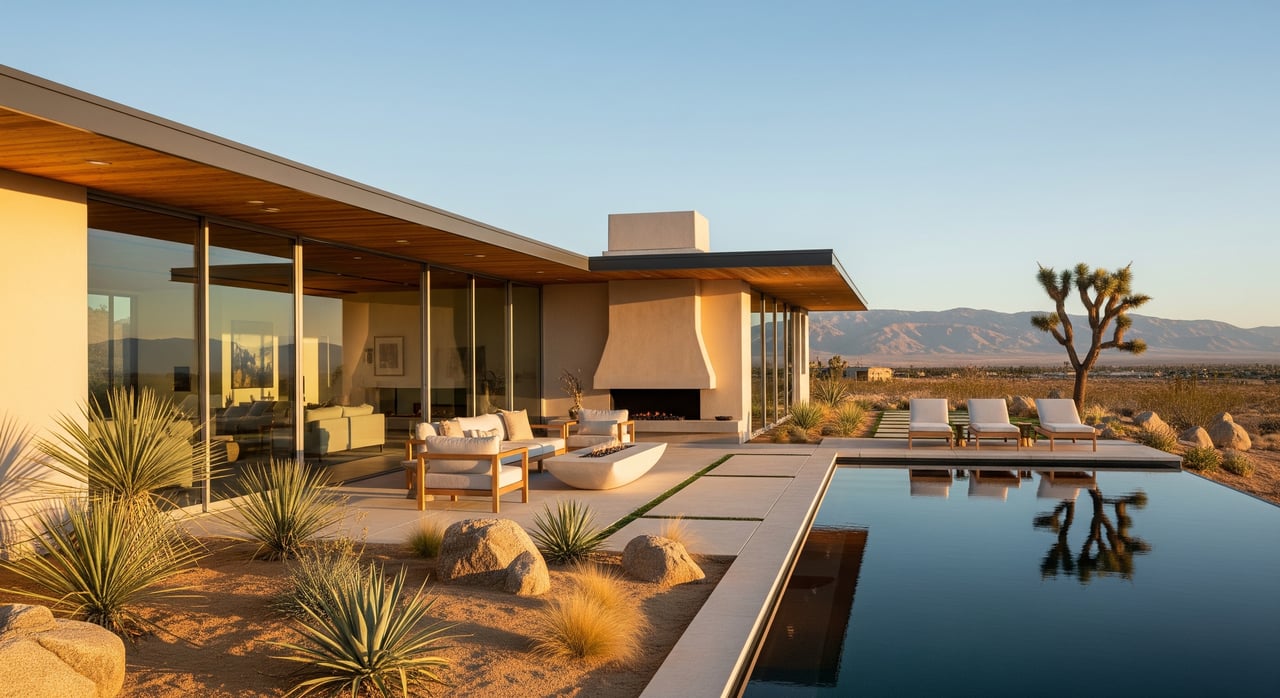
Natural scenery includes a wide, flat valley ringed by hills and wind farms, with desert vegetation and big-sky views. You are also within a short drive of the Antelope Valley California Poppy Reserve and open space preserves.
Driving is straightforward via CA-14, which connects Lancaster to the San Fernando Valley and downtown Los Angeles. Depending on traffic and time of day, plan for roughly 60 to 120-plus minutes to central LA. Off-peak trips can be shorter, while peak-hour commutes are longer.
Rail is a viable option for many commuters. The Metrolink Antelope Valley Line connects Lancaster to Los Angeles Union Station, with typical ride times around an hour to 90 minutes depending on stops and schedule. Local transit within the valley is served by Antelope Valley Transit Authority, and rideshare is common. For daily errands, most needs are close by, so local driving is usually short.
Local employment spans healthcare, education, government, retail, and logistics. Key anchors include Antelope Valley Hospital, Antelope Valley College, city and county agencies, and retail and service hubs. Aerospace and defense roles in the region, including activity around nearby Edwards Air Force Base and contractors, add to the job mix.
Public schools include elementary districts such as the Lancaster School District that feed into the Antelope Valley Union High School District. Charter and private schools also operate locally. For higher education, Antelope Valley College offers community college programs, while CSU, UC, and private campuses are within commuting range.
Downtown’s The BLVD corridor has been revitalized with restaurants, nightlife, arts, and seasonal events. You’ll find public art, a performing arts scene, and the Lancaster Museum of Art and History. Big-box shopping and regional retail are clustered along major arterials and near the Antelope Valley Mall area in neighboring Palmdale.
You have access to neighborhood and community parks, sports facilities, skate parks, and youth sports complexes. The Prime Desert Woodland Preserve highlights local ecology and trails. Beyond the city, explore the Antelope Valley California Poppy Reserve in bloom season, or head to nearby high-desert and mountain trails in the Angeles National Forest and the Tehachapi area for day hikes.
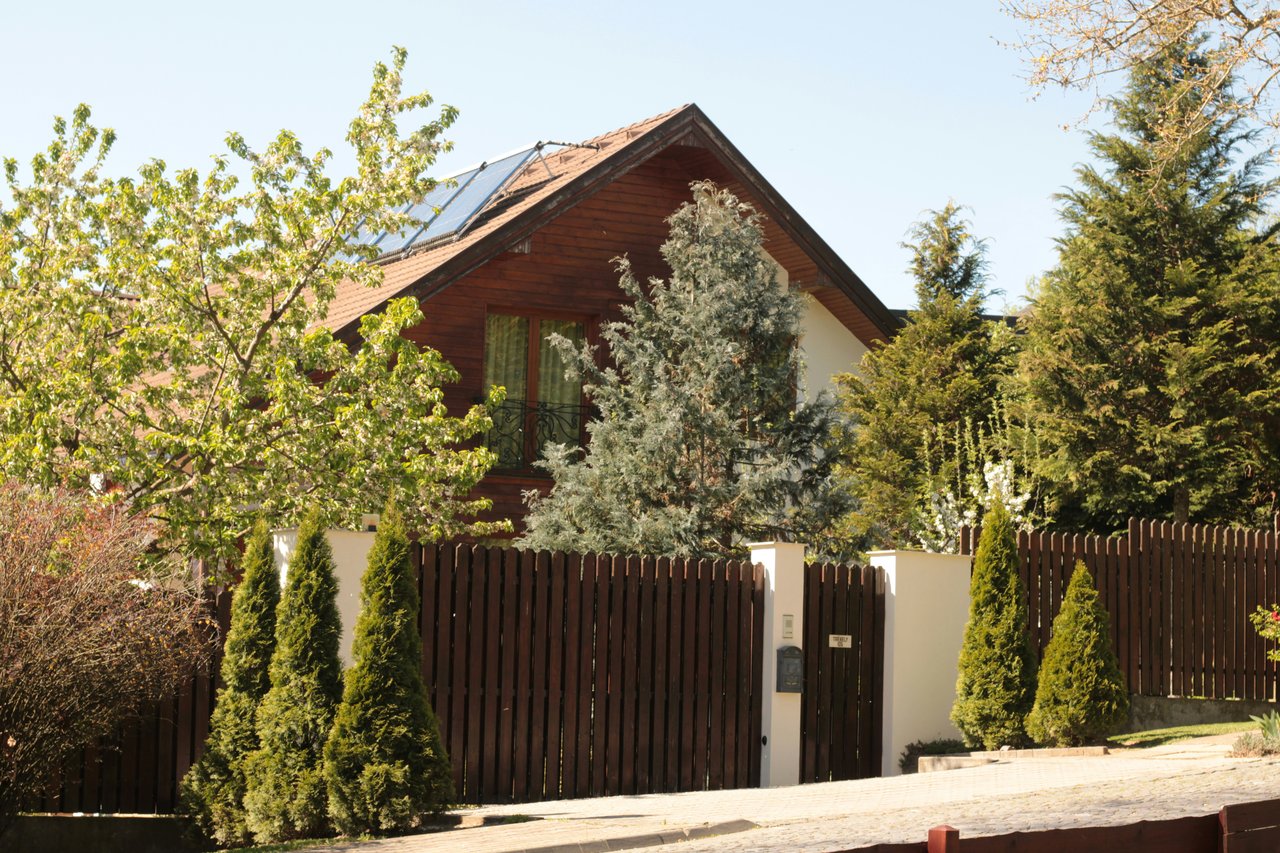
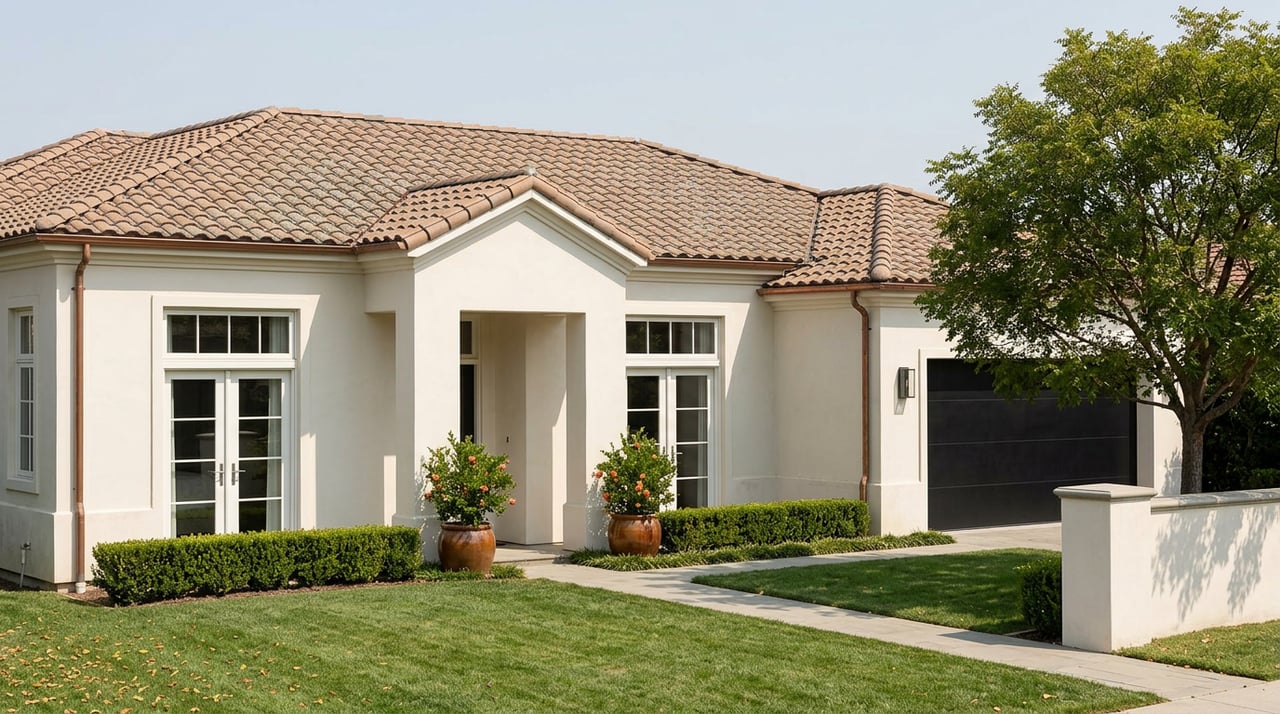
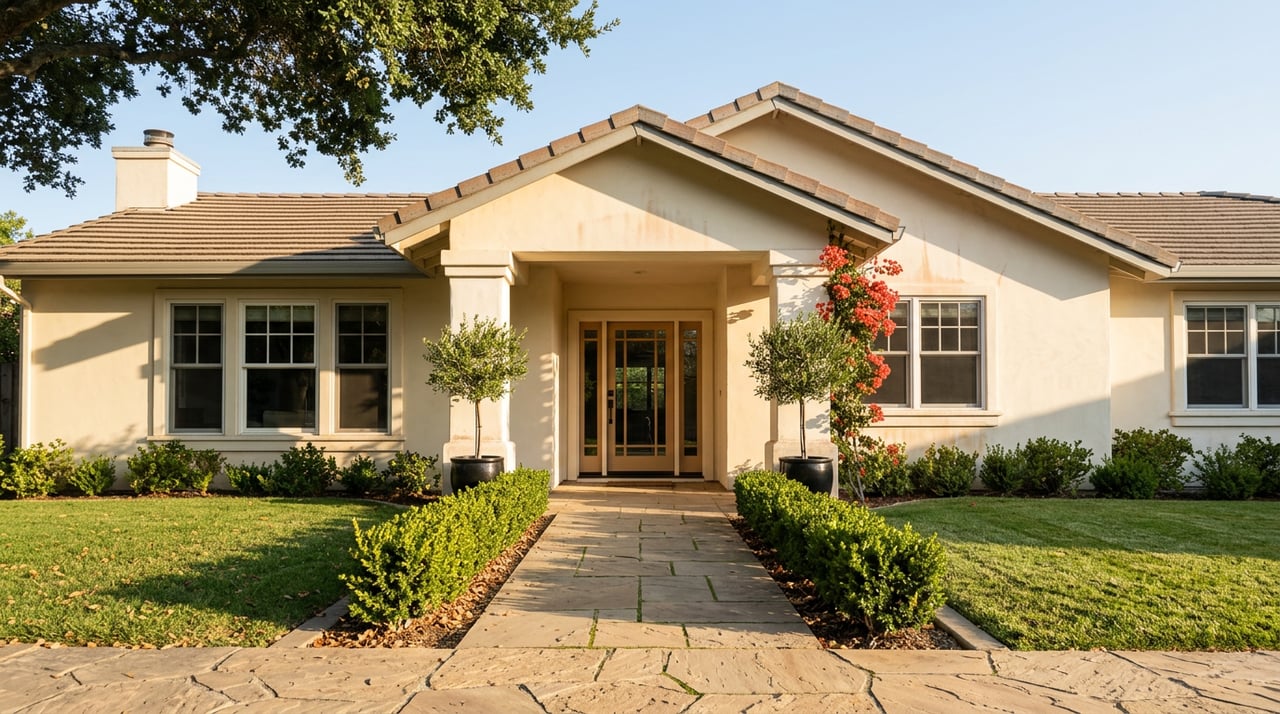
Most housing consists of single-family detached homes in tract subdivisions. You’ll see one- and two-story stucco homes with tile or composite roofs and attached garages, both in established neighborhoods and newer planned communities. Apartments and mid-size complexes cluster near commercial corridors and transit. Mobile home parks and manufactured housing provide additional ownership and rental options.
If you want more land, the outlying areas feature semi-rural and rural parcels. These may allow agricultural uses, horse setups, storage, or hobby farms, depending on zoning and local rules.
Many suburban lots are larger than what you find in denser LA neighborhoods. Typical subdivision parcels often range from about 5,000 to 10,000 square feet, though sizes vary by tract and builder. In semi-rural zones and edge areas such as Quartz Hill or Antelope Acres, parcels may run from a half-acre to several acres.
Housing ages vary by neighborhood. Central areas have mid-20th-century homes, and large waves of development took place from the 1970s through the 2000s, with continuing infill and some new subdivisions. The BLVD corridor has seen mixed-use and redevelopment projects.
Homeownership rates are historically higher than in many dense urban LA communities. Apartments are typically renter-occupied, while most single-family homes are owner-occupied. Many newer subdivisions and condo communities include an HOA. Dues and rules vary by development. Older neighborhoods and rural parcels are less likely to have an HOA, which can appeal if you want fewer common-area obligations.
Summer cooling is a major cost driver in Lancaster, so budget for higher electricity use during hot months. Solar adoption is common as homeowners look to offset power bills, and incentives may be available at the federal or state level. Southern California Edison is the typical electric utility for many properties, though you should always verify service by address.
Water use also matters in this dry climate. Irrigation can be a big part of your monthly expenses, especially for large yards. Drought-tolerant landscaping helps control costs and reduces maintenance. Check local water agency guidelines, rates, and any seasonal restrictions when you evaluate a property.
Common exterior materials include stucco and tile or composite roofs. In older homes, roof and stucco repairs may be ongoing maintenance items. Desert soils can shift, so your inspection should assess slab and soil conditions. Termites and other wood-destroying pests exist in the region, so include a pest inspection in your purchase process.
Because of the large temperature swings, proper insulation and right-sized HVAC matter. Verify attic insulation, duct condition, and HVAC capacity during due diligence. This improves comfort and can help control energy bills.
Lancaster has standard California seismic risk, so look at seismic retrofit needs in older homes. Wildland-urban interface fire risk exists in surrounding hills and fringe areas. If you are shopping the edges of town or rural properties, check fire hazard maps and consider defensible space and ignition-resistant features.
Most of the valley is not in a major floodplain, but site-specific drainage and flash flood potential can still affect some parcels. Air quality can be impacted by dust and transported smog or particulates. Insurance availability and pricing vary by property location and risk profile, so obtain quotes early to avoid surprises.
Lancaster often fits first-time buyers and move-up buyers looking for more space at a lower price per square foot than coastal LA. It also works for commuters who accept a longer drive or train ride in exchange for a larger home or yard. Local workers in healthcare, education, retail, logistics, and aerospace can live close to their jobs. Retirees may appreciate the dry climate and suburban rhythm, while investors evaluate single-family rentals, small multifamily, or manufactured housing options.
To focus your search, rank your top priorities:
Lancaster and neighboring Palmdale share many market dynamics. If you are flexible, comparing inventory across city lines can reveal more options at your price point.
Buying in the high desert is about matching lifestyle fit with smart, local decisions. You want guidance on commute tradeoffs, energy and water considerations, and which neighborhoods align with your goals. You also benefit from expert eyes on inspections, HOA rules, and land-use questions if you are considering a larger parcel.
As a boutique, founder-led brokerage, 35 Oaks Property Group combines neighborhood-level market intelligence with hands-on service. The team represents buyers and sellers across single-family homes, vacant land, and investment properties. You get clear market context, zoning and entitlement familiarity for land deals, and polished marketing with MLS syndication and custom listing microsites. From first tour to closing and beyond, you can expect responsive communication, practical guidance, and care that extends after you get the keys.
If Lancaster’s high-desert lifestyle is calling your name, let’s map out your best options. Reach out to 35 Oaks Property Group to schedule a conversation and start your search with confidence.
Ready to explore homes or land in Lancaster? Book an appointment with the team at 35 Oaks Property Group.
Who you choose to represent your interests in real estate matters. The brokerage with whom you partner with guides you through the sale or acquisition of a subject property, while advocating on your behalf, and serving as a fiduciary and trusted asset advisor. With distinct standards and dynamic experience, the 35 Oaks team provides exclusive listing services for home and land sellers, and buyer representation for those seeking to purchase real property or vacant land.