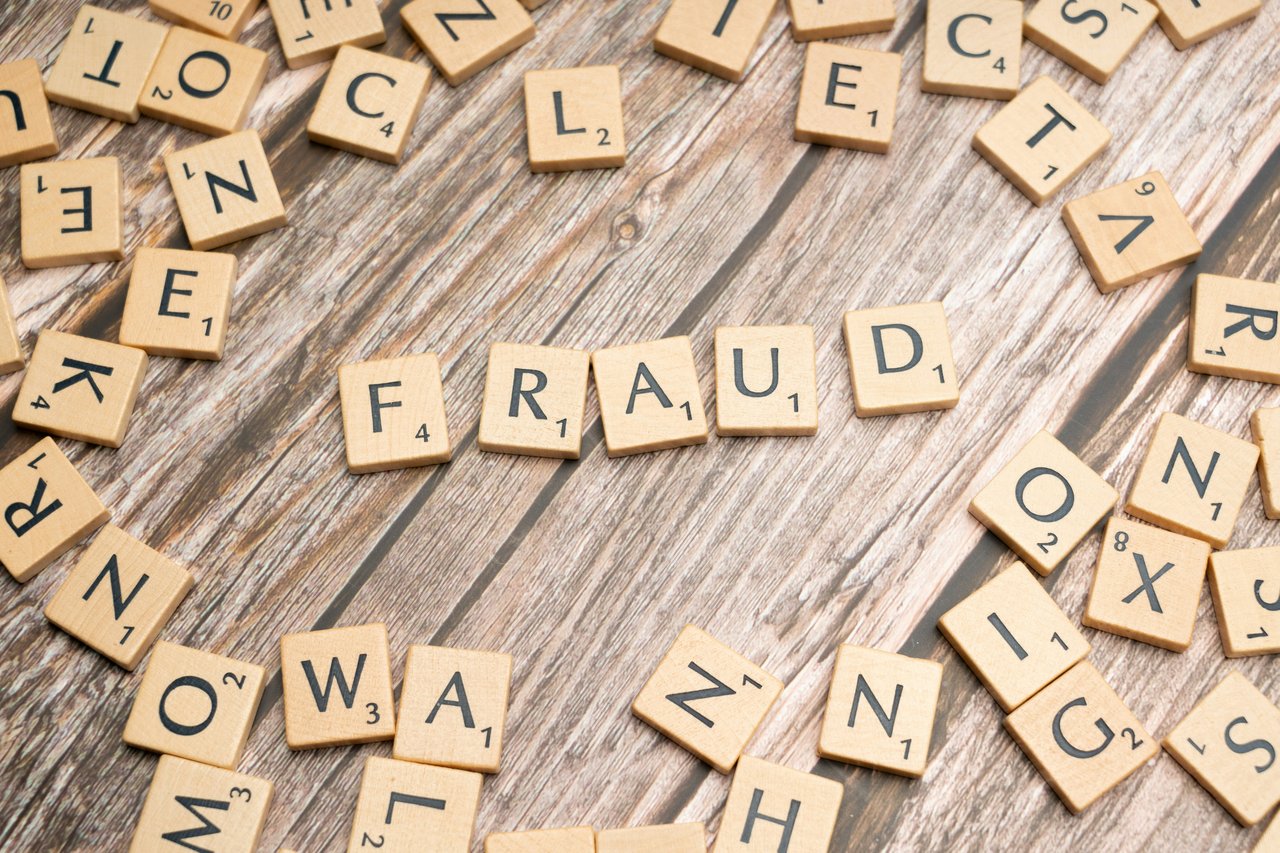
How to Protect California Seniors from Real Estate Scams
Real Estate Kristen Deschino March 6, 2026
Real Estate Kristen Deschino March 6, 2026
Real estate is often the most valuable asset a person owns—particularly for seniors who have spent decades building equity and stability through homeownership. Unfortunately, that value can also make older property owners a target for increasingly sophisticated fraud schemes.
The California Department of Real Estate (DRE) is urging California seniors and their families to remain alert to real estate and mortgage-related scams designed to exploit trust, urgency, and financial vulnerability. These schemes can involve forged property documents, fraudulent loan offers, fake rental listings, or deceptive investment opportunities.
At 35 Oaks Property Group, we believe real estate representation should extend beyond transactions—it should protect the people and property behind them. Awareness and careful verification are some of the most effective safeguards homeowners have.
While many scams appear legitimate at first glance, a few foundational habits can dramatically reduce risk.
Always confirm that any individual providing real estate, loan, rental, or property management services is properly licensed.
Consumers can verify licensing through the:
Legitimate real estate transactions follow established escrow procedures. Requests for cash payments or immediate wire transfers should be treated with caution.
California law prohibits companies from collecting advance fees for foreclosure rescue or loan modification services before the work has been completed.
Sensitive details such as Social Security numbers, banking information, and identification documents should only be shared through secure, verified channels.
Never sign a real estate or loan agreement that:
Contains blank spaces
Includes unclear financial obligations
Has not been fully reviewed and understood
Anyone can advertise online, on television, or in print—even without proper licensing.
Some scams involve asking homeowners to temporarily transfer title to “save” their home or repair credit. In many cases, victims permanently lose both the property and the money involved.
Never grant power of attorney over your finances or property to individuals or companies you do not personally know and trust.
One of the most effective ways to detect fraud early is to periodically monitor your property’s title activity.
Property owners in Los Angeles County can enroll in the County’s Homeowner Notification Program, which alerts owners when documents are recorded against their property—such as ownership transfers, loans, Notices of Default, or foreclosure filings.
These alerts can provide early notice of suspicious activity and allow homeowners to act quickly if unauthorized documents appear.
While the program does not prevent fraud, it serves as a valuable early-warning tool that many property owners are not aware of.
Real estate fraud can appear in many forms. The following schemes are among the most commonly reported.
Scammers promise to stop a foreclosure or save a home in exchange for upfront fees or temporary title transfer. Victims often lose both the property and the money paid.
Fraudulent rental listings are posted online for properties the scammer does not own. Prospective tenants are asked to send deposits or personal information before the scammer disappears.
Some companies charge consumers for rental lists without proper licensing. The listings may be outdated, inaccurate, or nonexistent.
Owners are told that a buyer or renter is ready for their timeshare—if they first pay marketing or administrative fees. The promised transaction rarely occurs.
Operating as a property manager in California typically requires a real estate license. Unlicensed management can lead to mishandled funds, poor accounting practices, and legal exposure.
Fraudsters may forge deeds or other property documents and record them with the county recorder without the owner’s knowledge. This can create serious title disputes and potential attempts to transfer ownership illegally.
These scams promise unusually high returns from real estate investments that are misrepresented or entirely fabricated.
Some schemes target seniors with misleading reverse mortgage terms, excessive fees, or deceptive financial advice that can erode home equity and threaten long-term housing stability.
Scammers may impersonate the owner of vacant land and attempt to list or sell property they do not actually own. Because vacant land is often unoccupied, verifying ownership and identity is critical.
If you believe you have been targeted by a real estate or mortgage-related scam, or if you have concerns about the conduct of a real estate professional, you can file a complaint with the California Department of Real Estate.
The DRE investigates consumer complaints and suspected misconduct involving licensed real estate professionals.
Real estate fraud is often designed to appear legitimate until it is too late. For seniors, families assisting aging relatives, and long-time property owners, vigilance is essential.
Taking the time to verify licensing, review documents carefully, and monitor property title activity can help prevent costly mistakes.
At 35 Oaks Property Group, we believe informed property owners are protected property owners—and thoughtful guidance is an essential part of responsible real estate representation.
Who you choose to represent your interests in real estate matters. The brokerage with whom you partner with guides you through the sale or acquisition of a subject property, while advocating on your behalf, and serving as a fiduciary and trusted asset advisor. With distinct standards and dynamic experience, the 35 Oaks team provides exclusive listing services for home and land sellers, and buyer representation for those seeking to purchase real property or vacant land.