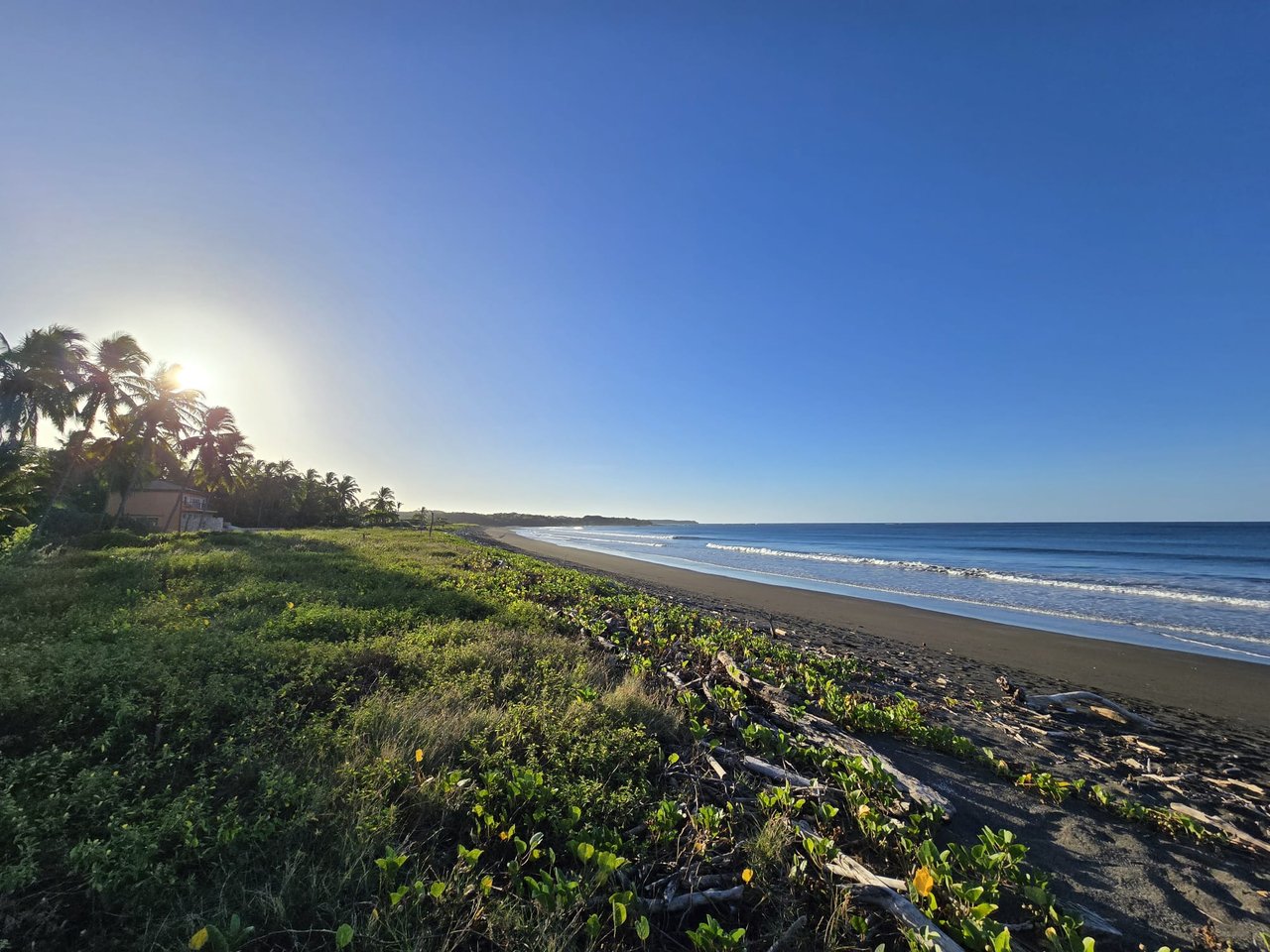
Costa Rica Real Estate on the Pacific Coast
Lifestyle Kristen Deschino January 6, 2026
Lifestyle Kristen Deschino January 6, 2026
Costa Rica is one of those rare places that earns its reputation. It is visually stunning, deeply rooted in conservation, and built around an everyday pace that feels restorative rather than performative. For many of our clients, the Pacific Coast—especially Guanacaste Province—offers the ideal blend of lifestyle and opportunity: warm water, dramatic sunsets, world-class beaches, wellness travel (including beachfront yoga and retreat-style experiences), and the kind of natural beauty that makes you want to stay longer than planned.
This blog is intentionally balanced: it is first and foremost a real estate guide for buyers, while also serving as a practical overview for those who want to visit, tour, and enjoy Costa Rica before making a long-term decision.
Costa Rica’s long-term appeal is supported by more than scenery. Its modern history is often associated with stability and civic investment, including its decision in the mid-twentieth century to abolish the standing army as a permanent institution.
It is also internationally recognized for conservation leadership—through protected areas, reforestation progress, and programs that incentivize environmental stewardship on privately held land. On the energy side, Costa Rica is frequently cited for operating an electricity system that is largely renewable (even while acknowledging periodic variability driven by weather and hydrology).
For real estate buyers, these macro factors matter because they influence land-use decisions, development patterns, environmental overlays, and what “responsible ownership” looks like in coastal and jungle-adjacent communities.
U.S. buyers are often surprised that the core mechanics of a purchase feel different in Costa Rica. The main shift is that your diligence must be registry-driven and your closing is anchored by a Costa Rican notary public (typically a specially licensed attorney) who formalizes and registers the transfer.
In practice, the strongest transactions are built on a tight professional bench:
A reputable local agent/brokerage with deep market familiarity
A qualified attorney/notary handling title review and closing
Clear documentation, verified against the National Registry and the property’s official survey map (“plano”)
“Titled” generally means the parcel is properly recorded in Costa Rica’s National Registry and can be identified through the property’s registry record (often referenced as a folio real) along with a registered survey map (plano). This is typically the cleanest path for resale and future buyer confidence.
Some properties are marketed as possession rights rather than fully registered, fee-simple title. This is not inherently “bad,” but it is a materially different ownership framework and should only be considered with sophisticated legal diligence and a clear understanding of how it impacts resale, financing, and risk.
Many true beachfront areas in Costa Rica fall under special coastal rules often referred to as the Maritime Zone, where parts of the shoreline are public and other areas may be held through concession-style rights rather than fee-simple title. This is the point where buyers must slow down, verify what is actually being sold, and align price with the correct ownership structure.
Financing in Costa Rica can be available in certain situations, but it tends to be more limited for non-residents and can require more documentation and longer timelines than U.S. buyers expect. As a result, many purchases are structured as cash acquisitions, with lending treated as a secondary strategy rather than the default approach.
For buyers who want both lifestyle and performance, ownership can also create meaningful flexibility: you can enjoy the home for personal stays and, when you are not in residence, place it into a professionally managed short-term or long-term rental program to help offset carrying costs and generate additional income. Rental viability is highly property-specific, so we recommend validating seasonality, local rules, and true operating expenses with reputable local property management before finalizing your purchase strategy.
Beach and tropical ownership is exceptional—and it is more maintenance-forward than most U.S. homeowners anticipate. Salt air, humidity, and heavy rains can accelerate wear on exterior finishes, hardware, and mechanical systems. Plan for proactive upkeep, select coastal-appropriate materials, and ensure you have a reliable service bench if you will not be on-site full-time.
Costa Rica’s animal life is part of the daily magic—monkeys, iguanas, abundant birdlife, and marine conservation activity along the Pacific. In some areas, communities and conservation groups have implemented “monkey bridges” (canopy/rope crossings) to reduce wildlife injuries where roads and development fragment habitat.
From a homeowner standpoint, the goal is simple: respect the environment while protecting the home. That typically means thoughtful landscaping, good screening and sealing, and a consistent pest-control plan appropriate for a tropical climate.
If you’re considering Costa Rica real estate, the smartest first step is often a well-planned tour that allows you to experience the lifestyle and evaluate the practical details that affect ownership (access, infrastructure, microclimate, proximity to town, and true “beach feel” versus marketing language).
For tours, we can connect you with our trusted friends at TPV Tours, who handle private, custom itineraries—from arrival logistics and transportation to curated experiences, wellness-forward options (including yoga retreats), and the kind of finishing touches that elevate the entire trip. TPV also advertises discounted rates for first responders, military, and educators.
On the real estate side, we also maintain brokerage connections in Costa Rica, so when you’re ready to view property with intent, we can make introductions aligned with your standards and objectives.
---
Photo: Just south of Playa Negra, Dec 2025.
This article is for general educational purposes only and is not legal or tax advice. Costa Rica real estate is jurisdiction-specific and requires qualified local counsel. Always consult a Costa Rica attorney/notary and your tax advisor before signing contracts, transferring funds, or relying on any ownership structure or rental strategy.
Who you choose to represent your interests in real estate matters. The brokerage with whom you partner with guides you through the sale or acquisition of a subject property, while advocating on your behalf, and serving as a fiduciary and trusted asset advisor. With distinct standards and dynamic experience, the 35 Oaks team provides exclusive listing services for home and land sellers, and buyer representation for those seeking to purchase real property or vacant land.