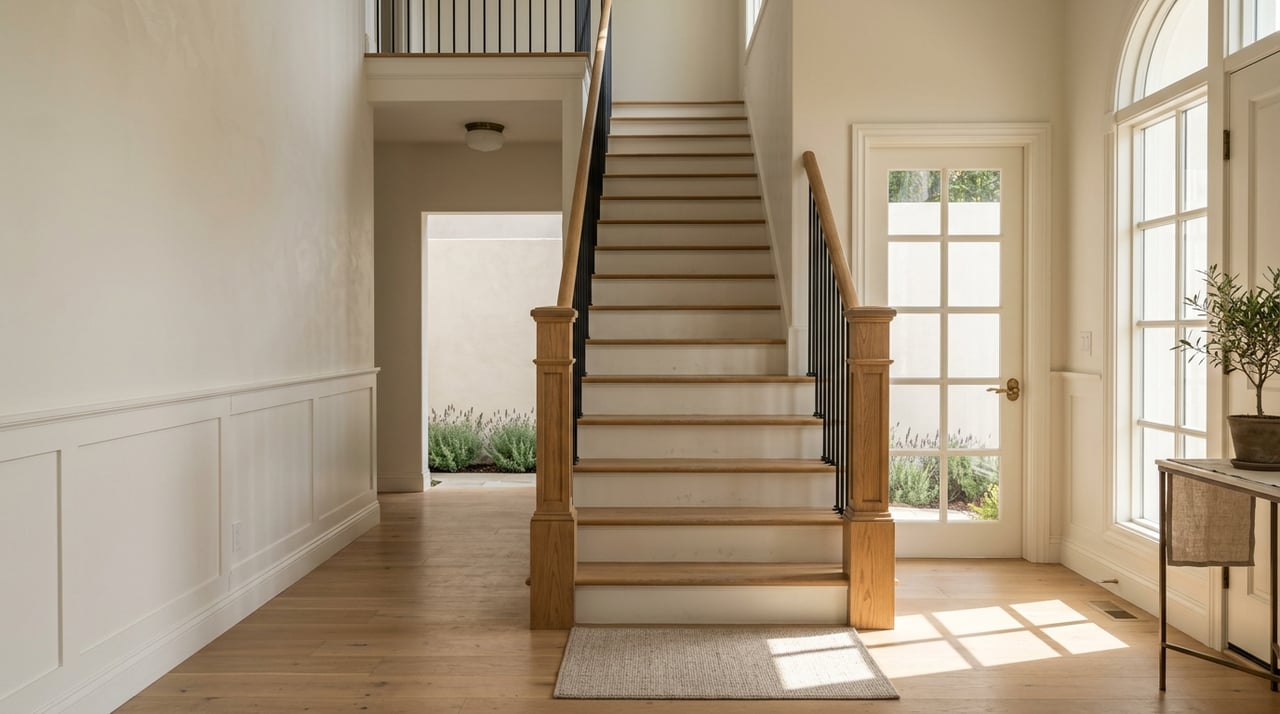
Understanding the Newhall Home Appraisal Process
Real Estate December 11, 2025
Real Estate December 11, 2025
For many Southern California homeowners and buyers, the appraisal is one of the most critical—and least understood—steps in a real estate transaction. It influences loan approval, pricing strategy, and negotiation leverage, yet the process often feels opaque.
This overview is designed for discerning buyers and sellers who want a clear, straightforward understanding of how appraisals work, what appraisers look for, and how to position a property for the best possible outcome.
A home appraisal is a licensed appraiser’s independent opinion of market value as of a specific date. In most financed transactions, the lender orders the appraisal to help determine the maximum loan amount. The appraised value may be higher, lower, or equal to the contract price; the lender generally uses the lower of the two.
An appraisal is not a home inspection:
Appraisal: Focuses on market value, using comparable sales and market data.
Inspection: Focuses on condition and safety, identifying defects or needed repairs.
Both are important, but they serve different purposes and are ordered by different parties.
In California, appraisals are completed by state-licensed and certified appraisers, regulated by the Bureau of Real Estate Appraisers (BREA) and required to follow the Uniform Standards of Professional Appraisal Practice (USPAP).
For typical single-family and condo loans, the standard report is the Uniform Residential Appraisal Report (URAR), Form 1004. Depending on the loan program and risk profile, some transactions may allow alternative formats such as desktop or hybrid appraisals, but the underlying responsibility remains the same: provide a credible, well-supported opinion of value.
Appraisers consider three primary approaches to value and then reconcile them into a single conclusion.
For most Southern California residential properties, the Sales Comparison Approach carries the most weight. The appraiser:
Identifies recent closed sales that are truly comparable, ideally within the same neighborhood or a closely similar micro-market.
Adjusts for key differences, including:
Square footage and overall size
Bedroom and bathroom count
Lot size and usability (flat vs. hillside, usable yard, outdoor living)
Condition and quality of finishes
Level of remodeling (original vs. thoughtfully updated)
Pools, spas, and exterior amenities
Views (city, canyon, ocean, golf course, etc.)
Garage and parking
Location influences (interior street vs. high-traffic corridor, proximity to commercial uses or transit)
In faster markets, the emphasis is on very recent sales. When data is limited, appraisers may rely on older sales but are expected to address any market appreciation or softening between the sale date and the effective date of the appraisal.
The Cost Approach estimates what it would cost to reconstruct the improvements today, subtracts depreciation, and adds land value. This can be useful for newer or highly unique properties, but when strong comparable sales exist, it usually plays a supporting—rather than defining—role.
For multi-family and income-producing properties, the appraiser may also employ an Income Approach, analyzing market rents, expenses, and prevailing capitalization rates. For owner-occupied single-family homes, this approach is typically secondary unless there is meaningful, documented rental income.
One of the most important concepts for high-end buyers and sellers is the idea of micro-markets. Even within the same city, small shifts in location and lifestyle can produce very different value ranges.
Factors that commonly define these micro-markets include:
Coastal vs. inland locations
Hillside vs. flat neighborhoods
Gated communities and master-planned developments
School district and specific attendance boundaries
Access to commuting routes and transit options
HOA amenities and community reputation
Local fire, flood, or insurance considerations
Because of this, a sale just a few streets away may not be truly comparable. Appraisers are expected to keep comps as close and as similar as possible and to explain any necessary location adjustments.
Appraisers look for sales that mirror the subject property in:
Property type (single-family, condo, townhome, multi-unit)
Age and architectural style
Gross living area (square footage)
Bedroom and bathroom count
Lot size and usability
Layout and functional design
Parking and garage configuration
Pool, spa, and outdoor amenities
Level and quality of upgrades
Overall condition and maintenance
Location is evaluated not just by distance on a map, but by how buyers perceive the area: school assignments, access, privacy, views, and overall neighborhood character.
The best comps are:
Recent (closed within the last few months), and
Relevant to the current market tone.
When older sales are used, the appraiser should address whether the market has moved up, flattened, or softened and reflect that in any trend adjustments.
For higher-end homes, documentation can materially influence how an appraiser views improvements.
Helpful items include:
Building permits for additions, conversions, and major remodels
Contractor invoices and receipts for significant upgrades
Warranties for systems, roofs, solar, and key components
Floor plans or professionally measured square footage
HOA details and amenity information (for common interest communities)
Permitted, well-documented work is easier to support in the valuation. Unpermitted or undocumented changes may limit how much value can be attributed to them, even if they are visually appealing.
In our region, several recurring themes appear in appraisals and buyer behavior:
Views and setting: City lights, canyon, golf course, or ocean views often command a premium when supported by sales data.
Outdoor living: Usable yards, covered patios, outdoor kitchens, and well-designed pool areas are highly valued.
Hillsides and terrain: Slope, access, and usability can affect both desirability and perceived risk.
Insurance and risk zones: Fire and high-risk areas can influence long-term holding costs and buyer sentiment.
Proximity: The balance between privacy and convenience—distance to shops, dining, schools, and commuting routes—consistently shows up in sales patterns.
Appraisers are not guessing at premiums; they are required to tie adjustments to actual market evidence wherever possible.
A well-prepared seller can significantly reduce the likelihood of appraisal surprises. Work with your agent to:
Develop a pricing strategy grounded in credible, recent comparables.
Assemble a comprehensive property file, including permits, invoices, floor plans, and HOA details.
Highlight upgrades thoughtfully—kitchens, baths, flooring, windows, systems, and outdoor improvements.
Ensure the home is easily accessible, clean, and clearly presented, so its quality is apparent.
The goal is not to “influence” the appraiser, but to ensure they have complete, accurate information about the property they are valuing.
On the buyer side, good planning can protect both your budget and your timeline:
Obtain a strong pre-approval and understand your lender’s appraisal process.
Be clear on your appraisal contingency dates and what happens if value comes in below contract.
Discuss potential scenarios in advance—renegotiation, bringing in additional funds, or adjusting structure—so you are not making major decisions under pressure.
An appraisal gap occurs when the appraised value is below the contract price. In that scenario, the lender will base the loan on the lower number, creating a shortfall that must be addressed.
Common reasons include:
Prices rising faster than recent closed sales reflect
Highly upgraded or unique homes with limited direct comparables
Aggressive bidding in a competitive environment
Missing or incomplete information about the property at the time of the appraisal
Possible responses, depending on your objectives and risk tolerance:
Renegotiate the purchase price or split the difference.
Bring additional cash to cover the gap between appraised value and contract price.
Request seller credits (within loan limits), understanding the valuation itself does not change.
Work with your agent and lender to submit a Reconsideration of Value using stronger comparables and better documentation.
Explore whether a second appraisal or different loan program is permitted and appropriate.
Adjust, limit, or waive the appraisal contingency only with a clear understanding of the added financial risk.
While each transaction is unique, the general flow is consistent:
Order: The lender orders the appraisal and an appraiser is assigned.
Property visit: The appraiser inspects the property, noting condition, layout, finishes, and site influences.
Analysis: The appraiser researches recent sales and market data, selects the most comparable properties, and applies adjustments.
Report: A written report is delivered to the lender summarizing the analysis, the approaches considered, and the final opinion of value.
If significant, verifiable information emerges after the report is issued—such as previously overlooked permits or clearly superior comps—your agent and lender can advise whether a formal Reconsideration of Value is appropriate.
In a market as nuanced as Southern California, small differences in street, school boundary, or neighborhood perception can translate into meaningful differences in value.
A well-advised seller benefits from:
A pricing strategy grounded in data and experience
A well-organized presentation of the property’s value story
Guidance on how to anticipate and support the appraisal
A well-advised buyer benefits from:
Realistic expectations around value and leverage
Thoughtful contingency planning
A clear strategy for navigating any appraisal gap
At 35 Oaks Property Group, we combine neighborhood-level insight with elevated, hands-on representation. If you are considering a sale or purchase in Southern California and would like to discuss pricing, comparables, or appraisal strategy tailored to your property, we would be pleased to talk.
What is a home appraisal?
A home appraisal is a licensed appraiser’s independent opinion of market value on a specific date, most often used by lenders to determine the maximum loan amount.
How do appraisers select comps?
They prioritize recent, nearby closed sales that closely match your property in size, age, lot, features, and location, then make and explain adjustments for material differences.
Are appraisals the same as inspections?
No. An appraisal estimates market value based on sales and market data. An inspection evaluates condition and safety. Lenders typically require appraisals; inspections are usually ordered by buyers as part of their due diligence.
Do school boundaries affect value?
Yes, they often do. School districts and specific attendance boundaries can influence buyer demand and are reflected in sales patterns. Appraisers account for this through thoughtful comp selection and location adjustments.
What if my appraisal is lower than my contract price?
You may renegotiate the price, bring additional cash, request a Reconsideration of Value with stronger evidence, explore a second appraisal if allowed, or adjust contingencies—ideally with guidance from your agent and lender.
How can sellers prepare for the appraisal?
Provide recent comparables, permit records, invoices, floor plans, HOA information where applicable, and clear documentation of upgrades. Present the property in a way that makes its quality and condition unmistakable.
Can I challenge an appraisal?
You cannot edit the report directly, but you can work through your lender to submit a structured Reconsideration of Value, supported by better comps and documentation, if you believe important facts were missed.
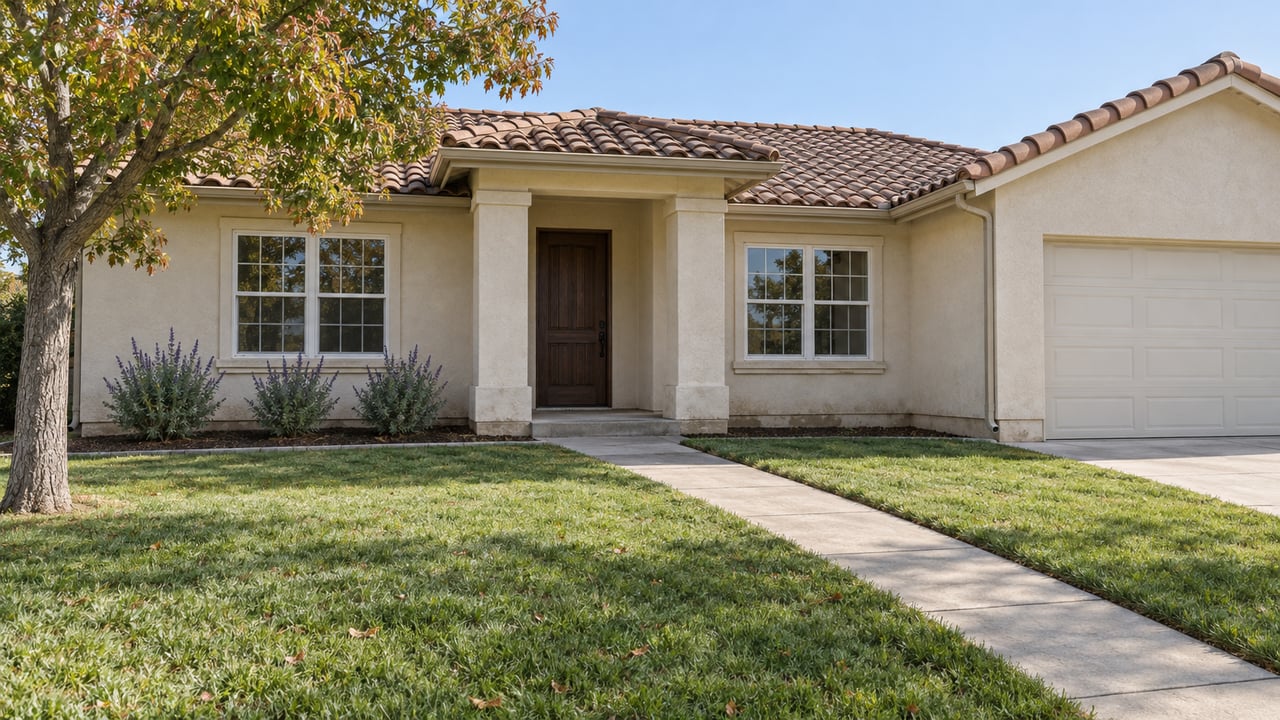
Who you choose to represent your interests in real estate matters. The brokerage with whom you partner with guides you through the sale or acquisition of a subject property, while advocating on your behalf, and serving as a fiduciary and trusted asset advisor. With distinct standards and dynamic experience, the 35 Oaks team provides exclusive listing services for home and land sellers, and buyer representation for those seeking to purchase real property or vacant land.