Moving to Santa Clarita Valley: Where Should You Start?
Real Estate May 28, 2026
Real Estate May 28, 2026
Thinking about moving to Santa Clarita Valley? You are not alone, and you are probably asking the same practical questions most buyers ask first: Which area fits your budget, what does the commute look like, and how different do the communities really feel day to day? If you want a clear, local overview before you start touring homes, this guide will help you compare the valley’s main areas and narrow your search with more confidence. Let’s dive in.
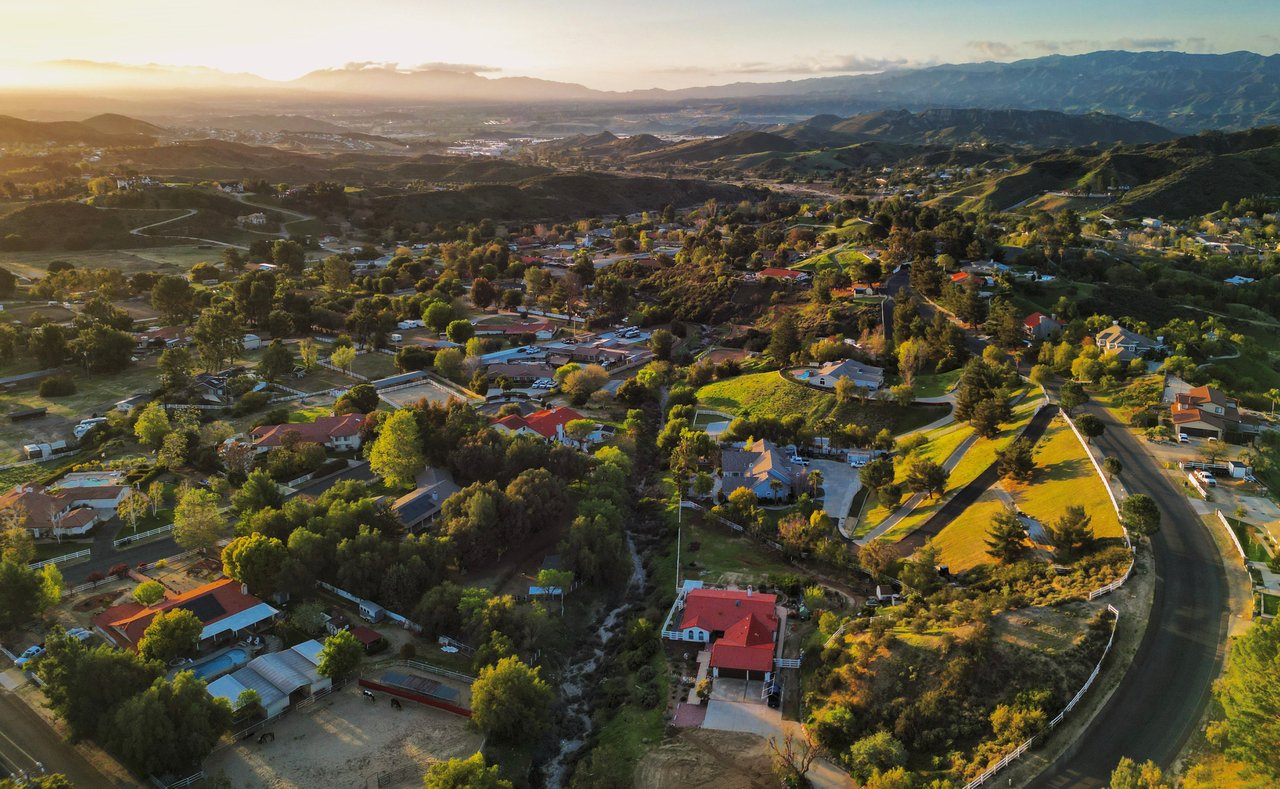
Santa Clarita sits about 35 miles northwest of downtown Los Angeles, but it has a noticeably different feel from more central parts of LA County. City planning documents describe it as generally suburban, with most development concentrated on the valley floor and lower canyons. That layout shapes everything from housing patterns to traffic flow and everyday convenience.
The City of Santa Clarita officially incorporated on December 15, 1987. It brought together four original communities: Saugus, Newhall, Valencia, and Canyon Country. Nearby areas like Stevenson Ranch and Castaic are part of the broader Santa Clarita Valley, but they are unincorporated county communities, which means county agencies play a bigger role in planning and services there.
For you as a buyer, that matters because the valley is not one uniform market. Each area has a different housing mix, price point, and daily rhythm. Understanding those differences early can save you time and help you focus on the places that match your goals.
Before comparing neighborhoods, it helps to decide what matters most in your move. A practical way to filter Santa Clarita Valley is to think in terms of commute-first, space-first, or lifestyle-first priorities. That simple framework can quickly point you toward the areas worth exploring.
If you are commute-first, you may care most about freeway access, rail options, and staying connected to work or regional travel routes. If you are space-first, you may be looking for larger lots, more variety in home types, or easier access to open land and outdoor recreation. If you are lifestyle-first, you may be focused on shopping, daily services, walkable pockets, or being close to activity hubs.
Many buyers end up balancing all three. Still, choosing your top priority makes the search feel much more manageable. It also helps you compare similar homes in areas that serve your day-to-day life in different ways.
Valencia is often one of the first places relocating buyers explore. City planning materials note that many of the newer mixed-density neighborhoods are concentrated here, including detached homes, attached homes, low-rise townhomes, and garden apartments. That variety can be helpful if you want options across different home styles and maintenance levels.
The Town Center area is a major practical draw. Planning documents describe it as including an enclosed mall and an outdoor lifestyle retail center, which gives many buyers a central point for shopping, dining, and errands. If convenience is high on your list, Valencia often stands out for that reason.
Recent market snapshots show a median sale price of $785,000 in March 2026. That places Valencia in the cluster of communities in the mid-to-upper $700,000s, rather than at the highest price tier in the valley. For many buyers, it offers a balance of newer housing patterns and access to everyday amenities.
Saugus is one of the four original communities that formed the City of Santa Clarita. It remains a key part of the valley for buyers comparing established residential areas within the city. Recent market snapshots show a median sale price of about $800,000 in March 2026.
Newhall is the historic core of Santa Clarita. City documents describe Old Town Newhall as the oldest neighborhood, and planning materials note that Newhall was the earliest permanent settlement in the valley. It also sits near the Newhall Metrolink station and William S. Hart Park, which can matter if you want historic context and transit access in the same area.
Newhall’s recent median sale price was $760,000 in March 2026. For buyers who want a more historic setting rather than a newer master-planned feel, Newhall often becomes an important stop in the search.
Canyon Country has one of the broadest housing mixes in Santa Clarita. Planning documents describe everything from large-lot custom homes and tract homes to multifamily development and mobile home parks. Sand Canyon is also noted for its rural and equestrian character.
That range can make Canyon Country appealing if you want more flexibility in property type. Recent market snapshots show a median sale price of $755,000 in March 2026, which places it near the lower end of the current pricing range among the communities covered here.
Stevenson Ranch is unincorporated, so county governance applies instead of city governance. County materials describe it as a master-planned area approved in 1987, with retail and restaurant clusters plus about 1,000 acres of parks and open space. That distinction can affect how you think about planning, services, and the overall development pattern.
Recent market snapshots show a median sale price of $1.255 million in March 2026. That makes Stevenson Ranch the highest-priced community in this snapshot and puts it in a different tier from most of the city neighborhoods listed above.
Castaic is also unincorporated and sits farther from the urban core. County planning describes the area as roughly 75 square miles of mountainous and valley terrain bordering the Angeles National Forest and SR-126. The area also benefits from Castaic Lake State Recreation Area and a county trail plan proposing about 100 miles of multi-use trails.
If outdoor access and a little more breathing room matter to you, Castaic may be worth a closer look. Its recent median sale price was $810,000 in March 2026.
Taken together, the current neighborhood snapshots show a wide spread in pricing across Santa Clarita Valley. Canyon Country, Newhall, and Valencia are in the mid-$700,000s, while Saugus and Castaic are around $800,000. Stevenson Ranch sits at a higher tier based on the March 2026 figures provided.
The key word here is snapshot. These numbers are useful for setting expectations, but they are not a permanent ranking of value or desirability. As you narrow your search, it helps to look beyond a median number and compare inventory, housing type, lot size, location, and access to the places you use most.
If commuting is part of your move, transportation should be one of the first filters you apply. According to the city budget, Santa Clarita is accessible by Highway 126, State Route 14, and Interstate 5. Those routes connect the valley to other parts of Los Angeles County and beyond.
Santa Clarita also has rail access through the Antelope Valley Line. The city budget notes there are four Metrolink stations in the city, including the Vista Canyon Multi-Modal Center, which opened in 2023. Station information for Newhall and Via Princessa shows free parking, which can be a meaningful practical detail if you are comparing drive-to-train options.
For local transit, Santa Clarita Transit offers bus schedules, app downloads, and a bus finder through its mobile tools. If your routine includes a mixed commute, or if you want flexibility beyond driving, those resources can help you evaluate daily logistics more carefully.
A move is not just about the house itself. It is also about how easy life feels once you are settled in. In Santa Clarita Valley, many buyers compare communities based on practical destinations they expect to use every week.
Valencia Town Center is one of the best-known convenience hubs, with an enclosed mall and an outdoor lifestyle retail center. College of the Canyons serves the valley through its Valencia and Canyon Country campuses. In unincorporated areas, LA County Library operates full-service branches in Stevenson Ranch and Castaic.
For buyers who value outdoor recreation, Castaic Lake is a major draw. Access to places like this can shift how an area feels on weekends and how much usable lifestyle value you get from a location. When you tour neighborhoods, it helps to think beyond commute time and picture where your errands, activities, and downtime will actually happen.
If you are relocating and feeling torn between several areas, try sorting your shortlist by fit rather than by name recognition. Based on the official neighborhood and transportation sources in this guide, Valencia and Stevenson Ranch often appeal to buyers who want newer housing patterns and easier access to retail and freeway connections. Newhall often appeals to buyers who want historic character and station access.
Canyon Country and Castaic can make sense if you want a wider range of lot sizes or better access to open space. These are not hard rules, and they are not rankings. They are simply practical patterns that can help you spend your search time more effectively.
This is also where local guidance can make a real difference. In a valley with incorporated city neighborhoods and unincorporated county communities, the details behind a move can vary more than many buyers expect. A tailored search strategy can help you compare options clearly and move forward with less guesswork.
If you are planning a move to Valencia or anywhere in the Santa Clarita Valley, 35 Oaks Property Group offers founder-led, concierge-style guidance grounded in local market knowledge. Whether you are comparing neighborhoods, refining your budget, or trying to balance commute, space, and lifestyle, the team can help you build a smart relocation plan and book your next steps with confidence.
Who you choose to represent your interests in real estate matters. The brokerage with whom you partner with guides you through the sale or acquisition of a subject property, while advocating on your behalf, and serving as a fiduciary and trusted asset advisor. With distinct standards and dynamic experience, the 35 Oaks team provides exclusive listing services for home and land sellers, and buyer representation for those seeking to purchase real property or vacant land.