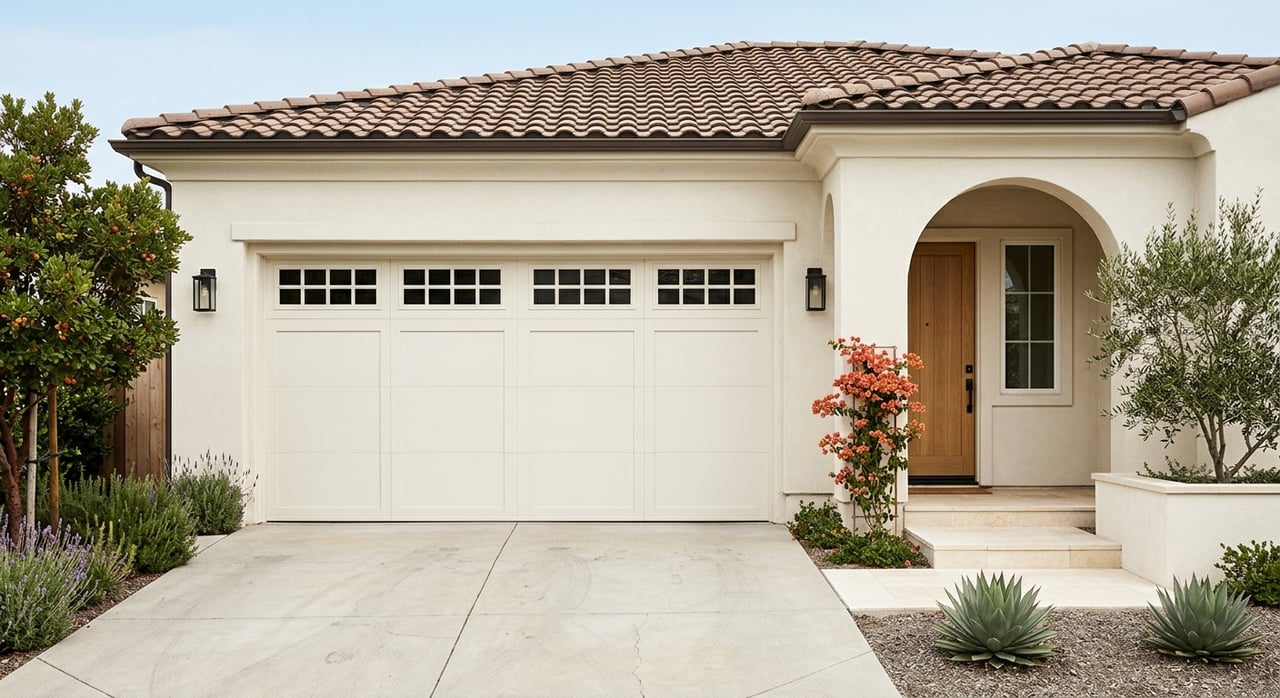
Planning Your San Fernando Valley to Santa Clarita Move
Real Estate April 23, 2026
Real Estate April 23, 2026
If you are selling in the San Fernando Valley and planning a move into Santa Clarita, the path can appear straightforward—but in practice, it requires coordination, timing, and a clear understanding of both markets.
You are balancing sale proceeds, purchase timing, contract obligations, and the logistics of moving—all while trying to secure the right next property.
With a disciplined approach, the process becomes far more manageable—and significantly more predictable.
Before setting timelines, it is important to understand how the San Fernando Valley and Santa Clarita Valley currently compare.
Recent Southland Regional Association of REALTORS® data shows:
San Fernando Valley
Santa Clarita Valley
The key takeaway is not just pricing—it is structure. Santa Clarita tends to operate with less inventory and more competition at certain price points, which requires a more intentional purchase strategy.
At a high level, the single-family price difference between the two markets is approximately $236,000 (around 20%).
For many homeowners, this creates a meaningful advantage when moving from the San Fernando Valley into Santa Clarita. Your equity can often stretch further—either toward a larger home, more usable land, or a different lifestyle setting.
That said, the gap narrows when comparing condos, where pricing is more closely aligned. In those cases, your move becomes less about market spread and more about equity position, monthly payment, and long-term goals.
One of the defining characteristics of Santa Clarita is how far your dollar can go relative to other parts of Los Angeles County.
Buyers often find:
That added space and lifestyle flexibility is a meaningful advantage—but it often comes with a different ownership structure.
Many Santa Clarita communities include HOAs or Mello-Roos assessments, particularly in newer developments. These are not inherently negative, but they should be evaluated as part of the overall cost and ownership experience.
In practical terms, Santa Clarita often offers more space and lifestyle value, balanced by more structured communities and associated fees.
For most homeowners, selling first provides the clearest and lowest-risk path.
It allows you to:
This approach is especially important when your San Fernando Valley sale is funding your Santa Clarita purchase.
Even in stable markets, transactions rarely move at identical speeds.
Your San Fernando Valley home may generate interest quickly, while your replacement property in Santa Clarita may take longer to secure—or appear at the right moment.
A sell-first strategy creates flexibility, allowing you to respond to opportunities rather than forcing both sides to align perfectly.
Coordinating both closings can reduce disruption, but it requires tight alignment between escrow, lender, and all parties involved. Even small delays can affect the entire sequence.
Post-closing rent-backs or negotiated early move-in agreements can create valuable flexibility when timelines do not align perfectly.
For qualified buyers, bridge financing can allow you to purchase before your current home closes. However, this requires strong financial capacity and careful lender review, as you may need to carry multiple obligations simultaneously.
In a two-part transaction, contract terms are just as important as pricing.
Key contingencies to evaluate include:
Well-structured contingencies provide flexibility while maintaining forward momentum. Clear timelines and expectations are essential.
Your financial plan should extend beyond the purchase price.
Closing costs alone typically range from 2% to 5% of the purchase price, which can represent a significant amount depending on your price point.
Additional considerations include:
Maintaining 3–6 months of reserves is a practical safeguard, particularly when coordinating two transactions.
In Los Angeles County, a change in ownership typically triggers a reassessment of property taxes.
This means your tax basis will likely reflect your purchase price—not the seller’s previous assessed value. In some cases, supplemental tax bills may follow after closing.
Planning for this upfront avoids surprises once the transaction is complete.
A move like this involves multiple moving parts:
When one element shifts, the others often follow.
A coordinated, hands-on approach—guided by someone who understands both markets—can materially improve outcomes and reduce stress throughout the process.
If you are moving from the San Fernando Valley into Santa Clarita, the strongest plans begin with clarity.
Understand what your home is likely to sell for.
Know your net proceeds.
Evaluate your purchasing power within Santa Clarita’s current inventory.
From there, you can structure a plan that aligns with your timeline, financial goals, and level of flexibility.
At 35 Oaks Property Group, the focus is on thoughtful coordination and local expertise—ensuring both sides of the move are handled with precision and a clear strategy from start to finish.
What is the best order for selling and buying?
Selling first is typically the most stable approach, as it provides clarity on proceeds and reduces financial risk.
How much further does my money go in Santa Clarita?
Single-family pricing is generally lower than the San Fernando Valley, and buyers often gain more space or land—though many communities include HOAs or Mello-Roos.
Can I buy before my current home sells?
Yes, but it requires careful structuring through contingencies, coordinated closings, or bridge financing for qualified buyers.
What contingencies are most important?
Financing, inspection, appraisal, home-sale, home-close, and timing-related provisions such as rent-backs or kick-out clauses.
What should I budget beyond the down payment?
Closing costs (2–5%), moving expenses, repairs, and reserves should all be part of your planning.
Will my property taxes change?
Yes. A new purchase typically triggers reassessment, and supplemental tax bills may apply.
Who you choose to represent your interests in real estate matters. The brokerage with whom you partner with guides you through the sale or acquisition of a subject property, while advocating on your behalf, and serving as a fiduciary and trusted asset advisor. With distinct standards and dynamic experience, the 35 Oaks team provides exclusive listing services for home and land sellers, and buyer representation for those seeking to purchase real property or vacant land.